

How Windshield Replacement in Ottawa Differs by Season
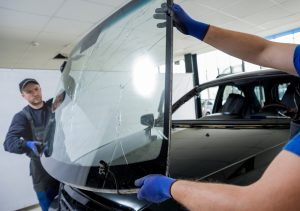
Windshield replacement in Ottawa does not look the same year-round. Anyone who has spent a winter or summer here knows how much our weather changes month to month. That has a real impact on how windshield repairs are done, what materials respond best, and how long they last.
Cold weather and snow make plastic more brittle, while humid heat brings issues with expansion and quick curing. The season you schedule work in can play a big part in how well everything holds. Knowing what to expect helps you plan better and avoid problems that show up later on.
When thinking about windshield replacement, it’s important to recognize just how much difference a season can make, both in how your vehicle performs and how repairs are handled. Ottawa’s climate offers many challenges. Each season brings its own set of mechanical stresses and possible unexpected surprises. Understanding the impact that temperature swings have allows you to make a more informed decision about when to tackle necessary repairs for the best outcome.
How Cold Weather Affects Windshield Repairs
Winter in Ottawa brings bitter cold, wet roads, and surface buildup from salt or snow. All of these affect windshield replacement from start to finish. Even small cracks can get worse quickly once the temperature drops.
- Cold plastic becomes brittle, especially when it needs to be removed or shaped
- Adhesives used in windshield bonding take longer to cure when the temperature is low
- Road salt, slush, and snow can cover cracks or create moisture that makes installation harder
Jobs have been completed when the plastic fogs or stiffens on removal. Cold temperatures slow curing, which means installations need longer wait times or warm environments to finish properly. Snow across the surface can also hide damage until the material fully dries, making spring inspections important for anyone who drove through a long winter.
Cold weather poses extra challenges for anyone scheduling or performing a windshield replacement in Ottawa. Not only do cold conditions make plastic harder and less flexible, but the process of removing and shaping old or damaged parts can easily turn a small defect into a bigger issue. The adhesives and bonding agents that ensure a safe, secure fit for your windshield rely on a stable, moderate environment to set fully. In very low temperatures, these materials might cure too slowly, which increases the risk of gaps or imperfect seals. Mechanics often rely on heated spaces and longer setting times to ensure each bond meets safety standards; however, that can add time to your wait depending on the complexity of your repair.
Summer-Specific Challenges for Installation and Seal Bonding
Heat moves faster, and so do some parts of the install process in early summer. Ottawa can jump to high temperatures with bright sun that speeds up curing beyond what is expected. While that can sound like a good thing, it often means less margin for proper alignment or bonding.
- Warm plastic expands, so parts might need re-checking after they’re installed
- Some adhesives dry too fast in direct heat or full sun, shortening the working time
- UV light wears at windshield surfaces over time, especially if early curing gets rushed
Quick curing is helpful only when the bond has settled into its final position. If heat speeds it up too soon, adhesives may set with a twist or uneven seal, especially when windshields are installed outdoors without shade. A few extra minutes of prep or timed application often avoids this, but it remains a seasonal risk when scheduling summer installs.
Hot weather offers its own blend of hurdles. When the sun is directly overhead, the work space can heat up quickly, even inside a shop. Plastic windshields and their seals expand with heat, which means installers need to be aware of shifting tolerances during the fitting process. If a windshield is set while the material is fully expanded, changes in temperature might later introduce gaps or tension as things cool. UV rays, particularly during peak summer months, also degrade untreated plastic over time, which is why timely installation and proper handling during sunny weather are especially important. When adhesives dry too quickly, installers have less time for adjustment, making precision and experience even more essential. Planning the exact timing for the curing and bonding stages ensures that repairs last through multiple seasons, not just the summer.
Choosing the Right Time for Windshield Replacement in Ottawa
Some times of year make for smoother, longer-lasting installs. Late spring and early fall are often more forgiving. Wind is not too sharp, sun has not peaked yet, and work can move along without worrying about snow or high humidity. That does not mean windshield replacement in Ottawa cannot be done in other seasons. Those shoulder months give installers a better balance between cold brittleness and heat distortion.
- Spring or fall offers milder working conditions that support accurate installation
- Project success often comes down to planning around outdoor use or temperature shifts
- Summer installs can be done well, but often need added care to handle expanding plastic or fast-drying adhesives
Every season comes with its own set of trade-offs. If your windshield sees heavy use or exposure through the summer, a late spring install might hold better. If you are waiting out the road salt of winter, then early fall might fit better.
Selecting the right season is not just about personal convenience. For technicians, the milder temperatures of spring or fall help ensure the adhesives set correctly, while the plastic itself is less likely to react unpredictably as the weather shifts. Planning your replacement during these months avoids the worst effects of both summer heat and winter cold, contributing to longer-lasting results. If you can’t wait, skilled installers can compensate for these challenges, but being proactive and aware of your local weather will always help. Avoid scheduling in the middle of extreme weather unless the issue is urgent.
How Our Technology Helps in Any Season
No matter when installs are handled, adjustments are made to the season using technology that supports all kinds of shapes, cures, and surface styles. Some plastics respond better to adhesive bonding, others are machined to size first using CNC tools. The process is matched to the material and the time of year.
- CNC machining shapes and sizes plastic cleanly, helping it fit smoothly even when materials expand or shift
- Adhesives and welding are chosen to hold well within the expected seasonal temperature range
- Assembly steps are timed to account for slower cures in the winter or faster set times in the summer
Changing methods with the season keeps repairs consistent. That means bonding works even when temperatures are swinging, and clear finishes stay smooth no matter the weather. Early steps, including shaping and polishing, give more control over the long-term look and fit of each windshield.
The choice of technology also plays a big part in achieving a seamless and reliable fit. CNC machining adapts to subtle shifts in dimensions caused by temperature, and helps fabricators deliver a precise finish even if the material is expanding or shrinking. Adhesives and welding methods are picked based on manufacturer recommendations and seasonal conditions, so they can perform well over months of use. These adjustments mean that regardless of whether you schedule in winter or summer, the right process is there to accommodate weather-related changes. Planning for curing times and finishing details before, during, and after install makes it more likely that you will get a repair that looks as good as new, and holds its clarity through Ottawa’s wild weather.
Result That Lasts Through Every Season
Windshields in Ottawa put up with a lot. Freezing nights through February. Dry, direct sun in July. And everything in between. No two installs are quite the same, simply because no two seasons act alike.
Preparing for that makes the difference between short-term fixes and long-term results. Matching materials, adhesives, and curing timing to the season helps avoid seal failures and warping. With the right timing and tools, replacements can last longer and stand up better to everything our weather brings.
When you take the time to understand these seasonal effects, you set yourself and your vehicle up for less trouble in the future. Well-prepared installers who adjust methods and materials based on the changing climate are able to deliver windshield replacements that stand the test of time. Replacements performed with the season in mind are likely to hold seals better, stay free of clouding or distortion, and help maintain safety and comfort across all weather. By scheduling when conditions are most favorable, you increase the chance that your new windshield will last until it needs replacing years down the line.
At Canus Plastics Inc., we adjust our methods in every season to help you get the best fit, seal, and finish for your windshield, no matter what Ottawa’s winters or summers bring. Our materials and processes are made to handle temperature swings and keep your view clear well after the repair is complete. Now is a good chance to address any cracks or worn spots before conditions change again. Get in touch today to discuss the best timing and book your windshield replacement in Ottawa.