

Tamper-Evident, Weather-Resistant Ballot Boxes: Materials, Security, Compliance
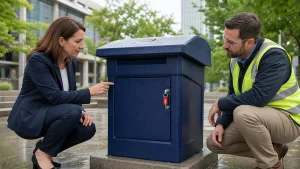
Protecting Election Integrity with Smarter Ballot Box Design
Secure ballot boxes are a quiet but important part of every election. When turnout climbs for municipal, school board, or federal by-elections, people expect that their vote will be protected from the moment the ballot leaves their hand until the last box is opened at the counting centre.
That is why many election teams are moving away from cardboard or older metal boxes and toward tamper-evident, weather-resistant plastic designs. Plastic ballot boxes can be lighter, stronger, easier to transport, and easier to reuse across several election cycles. They can also support better seals, clearer labelling, and smart tracking features.
In this article, we walk through how smart material selection, clear security features, and compliance planning all come together in modern ballot box design. As a Canadian plastic manufacturing company, we see how the right choices at the design stage can make election days smoother, safer, and more transparent.
Core Design Challenges for Modern Ballot Boxes
Election teams ask a lot from a simple box. It has to protect paper, stand up to weather, and support a clean chain-of-custody, all while being easy to carry and store.
Key challenges include:
- Exposure to rain, snow, and temperature swings
- Security risks during transport and storage
- Demanding timelines for setup, takedown, and cleaning
Fall elections across Canada can bring wet sidewalks, cold evenings, and early snow in some regions. Ballot boxes may be carried from vehicles to community centres, set down on damp floors, or stored in unheated rooms. The design needs to deal with:
- Moisture, so ballots do not get damp
- UV exposure, so boxes do not crack or yellow
- Impacts from loading, stacking, and moving boxes between locations
Security is another major concern. The box has to make tampering attempts obvious, not just difficult. Strong lids, seal points, and tracking labels support a clear chain-of-custody from the polling station to the counting site.
At the same time, boxes must be practical. Poll workers need:
- Lightweight boxes that are comfortable to carry
- Stackable shapes that store well between elections
- Simple, repeatable assembly and sealing steps
- Smooth, cleanable surfaces for long-term reuse
Polycarbonate vs. HDPE for Weather-Resistant Ballot Boxes
Two plastics often considered for ballot boxes are polycarbonate and high-density polyethylene (HDPE). Each brings different strengths, and the best choice depends on how the box will be used.
Polycarbonate is known for:
- Very high impact resistance
- Good stiffness and dimensional stability
- Clarity or translucence for visual inspection
This makes polycarbonate well suited when election teams want to see inside the box, check fill level, and confirm that no obvious foreign objects are present. Its stiffness helps lids and hinges keep their shape, which supports consistent sealing.
HDPE is known for:
- Toughness and resistance to cracking
- Good chemical resistance for cleaning
- Lighter weight and more flexibility compared to many rigid plastics
HDPE is a strong option when an opaque box is acceptable or preferred. Many election authorities like opaque sides for voter privacy, while using clear windows or panels only where needed.
Weather and UV performance also matter. Polycarbonate generally handles low temperatures and impact well, which is helpful in colder regions and in rough handling during loading and unloading. With proper design and material choice, both polycarbonate and HDPE can stand up to moisture and outdoor exposure.
From a design and cost point of view:
- Polycarbonate suits transparent or translucent boxes that support visual inspection and public trust.
- HDPE suits opaque designs where privacy or a specific colour code is more important than full visibility.
- Both can be shaped through processes like thermoforming or CNC machining, which a plastic manufacturing company can adjust to match order size and design detail.
Choosing between the two is not only about the material price. It is also about tooling, forming method, required clarity, and the expected number of elections the box must survive.
Engineering Tamper-Evident and Security-First Features
Material choice is only half the story. The way the box is engineered can make the difference between a simple container and a strong security tool.
Effective seal and locking features often include:
- Moulded hasps that accept padlocks or security seals
- Recessed areas so locks and seals are protected from impact
- One-time-use plastic or metal seals that must be broken to open
- Numbered tags that record each seal in the chain-of-custody log
The structure of the box itself should resist casual attempts to pry or sneak access in. Design strategies include:
- Reinforced corners and ribs that stiffen the walls
- Strong hinge areas that do not crack when lids are opened and closed many times
- Tight lid-to-body interfaces that are hard to lift without breaking a seal
- High-quality welded or bonded joints, especially at seams and corners
Visibility and traceability play a big role in trust. Depending on policy, election teams might want:
- Clear or translucent side panels, or smaller windows in an opaque box
- Integrated windows for seal numbers so staff can verify them without opening anything
- Moulded-in document pockets for chain-of-custody forms or instructions
- Flat, durable zones for barcodes, QR codes, or RFID labels that tie each box to a tracking system
By thinking through how people will interact with the box on a busy voting day, these security features can be simple to use but hard to bypass.
Meeting Canadian Compliance and Electoral Standards
Any ballot box design must fit within the expectations of election authorities. While specific rules can vary by federal, provincial, or municipal level, common themes include:
- Clear tamper-evident features and sealing points
- Durable materials that protect ballots in normal use
- Accessible openings and heights for a wide range of voters
Procurement teams often ask for technical documentation to support their decisions. A qualified plastic manufacturing company can provide:
- Detailed drawings and CAD models for review
- Material information and certifications where available
- Impact, load, and stress-testing results for key parts of the design
- Data from weather-resistance or aging tests when required in a tender
Accessibility is also important. Design details that support Canadian accessibility guidelines may include:
- A slot height that works for people using mobility devices
- Clear, simple openings that help voters understand where ballots go
- Handles large enough for gloved hands, with comfortable grip points for poll workers
When these factors are considered early, it is easier to respond to formal RFPs and internal reviews with confidence.
From Concept to Prototype with a Canadian Plastics Partner
Moving from an idea to a working ballot box usually starts with a conversation. Electoral officials, procurement staff, and operations teams bring their needs. A plastic manufacturer brings knowledge about what will work well in plastic, how to form it, and how to keep it consistent in production.
Typical steps include:
- Gathering requirements on capacity, material preference, and security features
- Reviewing whether polycarbonate or HDPE better fits those needs
- Turning rough sketches or concepts into manufacturable CAD models
- Adjusting wall thickness, ribs, and lids for strength and weight
Prototyping is a key stage. Using tools like CNC machining, thermoforming, vacuum forming, welding, and careful assembly, a first set of boxes can be made for hands-on testing. Election staff can:
- Practice sealing and unsealing
- Test stacking, carrying, and loading into vehicles
- Try cleaning routines between simulated elections
Once the design is confirmed, production can be scaled up in time for election season. Working with an Ottawa-based team like Canus Plastics Inc. also makes it easier to:
- Repair or replace damaged components
- Add new features in future runs, such as updated labels or different lids
- Plan a lifecycle where the same fleet of boxes serves many elections with only minor changes
Smart planning around materials, security, and compliance turns the ballot box from a simple container into a quiet but trusted part of the democratic process.
Get Started With Your Project Today
If you are ready to move your idea from concept to production, Canus Plastics Inc. is here to help guide every step. As a trusted plastic manufacturing company, we focus on practical solutions, consistent quality, and reliable timelines that fit your project goals. Share your requirements with our team so we can recommend the most efficient approach and materials for your application. To discuss specifications, timelines, or pricing, simply contact us and we will respond promptly.