

When On-Site Plastic Installations Outperform Shop Fabrication
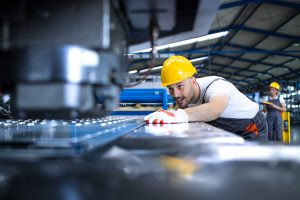
When Site Work Becomes the Smartest Option
On many projects, plastic parts are drawn, built in a shop, then shipped to site. That works well, until the schedule is tight, the space is cramped, or the plant can only shut down for a short window. In those moments, the shop can actually become a bottleneck instead of a help.
There are plenty of situations where having a plastic fabrication company work right at your facility is faster, cleaner, and lower risk. Field work can keep the project moving while other trades are on site, and it can prevent surprises when it is time to tie into existing systems.
We work in Ottawa and across Eastern Ontario, and we see this choice every day: build in the shop or build on site. Our goal here is to help project managers, facility owners, and contractors see where on-site plastic installations can outperform traditional shop fabrication and when they should be part of your plan from day one.
When On-Site Plastics Beat the Shop Every Time
There is a time and place for shop work, but some jobs just run better when plastic fabrication happens in the field.
Here are common signs that site work should lead the way:
- Tight access and cramped spaces
- Complex tie-ins to existing systems
- Short shutdown windows and busy schedules
Space and access are big ones. In older buildings or active plants, you might be working in:
- Narrow corridors and stairwells
- Tight mechanical rooms full of existing services
- Basements or mezzanines with low headroom
Large prefabricated plastic tanks, guards, or hoods might not even fit through a doorway. On-site work lets us bring in smaller components, then build, join, and finish them right where they will live.
On jobs with complex tie-ins, field work is often the only practical choice. When plastic has to line up with:
- Existing process piping
- Stainless equipment or conveyors
- Existing tanks, ductwork, or guards
it is much easier to line everything up when you can see it, measure it, and adjust it on the spot. Millimetre-level alignment is hard to achieve from drawings alone, especially in older facilities.
Seasonal and schedule pressure also push projects toward site work. In our area, summer is a busy time for shutdowns and construction. Coordinating on-site plastic installations around other trades and outages can:
- Keep critical systems running longer
- Shorten total shutdown windows
- Reduce schedule risk if something in the field is different than expected
Technical Advantages of On-Site Plastic Installations
On-site work is not just about convenience. It can also help the finished plastic perform better in real-world conditions.
First, field measurements are more accurate than any drawing. When we are on site, we can:
- Double-check all key dimensions
- Confirm clearances around moving parts
- Adjust for supports, hangers, and fasteners that are not shown on plans
That means less rework and far fewer surprises on installation day.
Second, buildings and equipment are rarely perfect. Floors are not always level, walls are not always square, and older gear may have shifted over time. Working on site lets us fine-tune plastic components so they:
- Sit flat on uneven slabs
- Match out-of-square walls and corners
- Seal cleanly around legacy equipment
This matters for things like guards, tanks, hoods, and ducting, where gaps can cause leaks, airflow issues, or hygiene problems.
Field work also lets us see how the plastic will be used. We can look at the real environment and then suggest materials and fixing methods that fit. For example:
- HDPE for wet, high-impact areas
- PVC or polypropylene for certain chemical exposures
- Acrylic or polycarbonate for clear panels and guards
Being present on site helps us think about temperature swings, UV exposure from windows or skylights, and any abrasion or mechanical wear, then match the plastic to the job.
Cost, Risk, and Safety Benefits You Might Be Missing
It is easy to focus on fabrication time alone, but transport, handling, risk, and safety all affect the real cost of a project.
Large plastic assemblies can be awkward to move. Building big pieces in a shop and then trying to thread them through a live facility can lead to:
- Risk of damage while loading, unloading, or rigging
- Extra labour for lifts and material handling
- Possible disruption in busy aisles and work areas
When we build or assemble on site, we cut down those transport challenges. Parts arrive in smaller, easier-to-handle bundles and are finished where they will stay.
On-site crews can also respond quickly to anything unexpected. If a wall is not where the drawing shows, or another trade shifts their pipes, field teams can adjust the plastic work right away, which helps:
- Avoid repeated change orders
- Keep shutdowns as short as possible
- Reduce back-and-forth between site and shop
Safety and compliance are another big advantage. field-experienced plastics installers are used to working with:
- Plant safety rules and PPE needs
- Lockout/tagout processes
- Hygiene expectations in food, healthcare, or lab spaces
That support helps new plastic guards, panels, or enclosures align with your existing procedures and inspection standards.
Real-World Applications Across Key Industries
On-site plastic installations show their value in many sectors, especially where downtime is costly and spaces are tight.
In food and agriculture facilities, we often see needs like:
- Plastic chutes, hoppers, and liners that must tie into existing conveyors
- Guards around moving equipment that still allow washdown and access
- Wall and ceiling panels that improve cleanability in process areas
These projects usually have narrow seasonal windows, so being able to measure, build, and fit plastic on site helps avoid lost production.
In healthcare and labs, there is a strong focus on cleanliness and airflow. On-site work is often suitable for:
- Custom plastic workstations and benches
- Splash guards at sinks or testing stations
- Enclosures and local fume extraction components
Working in the live space lets us position openings, joints, and seams so they support infection prevention and cleaning routines.
Transportation and construction environments benefit too. In bus garages, fleet yards, and construction sites, we see needs like:
- Barriers and protective panels around equipment and pits
- Tanks and sumps installed in irregular spaces
- Safety guards that must work around existing layouts
Field installations help fit plastic precisely into crowded layouts where shop-built pieces might not land in the right place.
Choosing the Right Plastic Fabrication Partner for Site Work
Not every plastic fabrication company is set up to work effectively in the field. Strong shop skills are important, but they are only part of the picture.
For on-site projects, it helps to have a partner with:
- Technicians who are comfortable working in active facilities
- Portable equipment suited for field cutting, welding, and joining
- Project management that keeps work aligned with other trades
Before you lock in site work, it can help to ask a few key questions:
- Do they have experience with projects in your industry?
- Are they used to working in active plants or institutional spaces?
- Can they support both design and installation so the process is smooth?
- How do they plan around limited shutdown windows and peak seasons?
At Canus Plastics Inc., we combine in-house design and fabrication with on-site installation for projects across Ottawa and Eastern Ontario. We are used to blending shop-built assemblies with field adjustments, so each project gets the mix that best fits its space, schedule, and performance needs.
Plan Your Next Project Around the Site, Not the Shop
When you step back and look at the whole project, the signs that on-site plastic installations might be the better choice are usually clear. If you are working in tight spaces, tying into complex existing systems, trying to protect a short shutdown, or operating in a sensitive environment, field work often delivers a smoother result.
Planning early with a plastic fabrication company that understands both shop and site work can make a big difference. It gives you time to plan shutdowns, coordinate trades, and decide which pieces should be built in the shop and which are better finished in the field, so your next project runs cleaner, safer, and with fewer surprises.
Get Started With Your Project Today
If you are looking for a trusted partner to take your concept from idea to finished product, our team at Canus Plastics Inc. is ready to help. As a dedicated plastic fabrication company, we work with you to choose the right materials, refine your design, and deliver precise, reliable results. Share your project details and we will provide practical guidance on the best options for your application. If you are ready to move forward or have questions, please contact us today.