

How Plastic in Ottawa Is Used for Spring Outdoor Fixtures
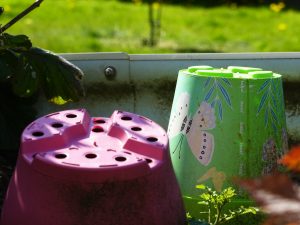
As snow clears out and sidewalks thaw, we start seeing signs of spring activity across Ottawa. Parks begin setting up fixtures, market stalls return, and temporary structures pop up in public squares. A lot of what gets installed at this time relies on plastic. Not just for appearance or speed, but because it gives crews flexibility when the weather jumps between cold and mild over a single weekend. Thermoformed and machined plastic in Ottawa is helping bring these early setups to life without delays.
Plastic works well for these jobs because it keeps assembly light, holds up to moisture, and doesn’t crack when the spring cold tries to linger. Different builds need different forms, but the overall goal stays the same: get sturdy, good-looking public structures in place fast, without worrying about weather delays or messy materials.
Common Spring Fixtures Made with Plastic
As soon as crews start working outside, we see heaps of smaller builds go up quickly. These spring fixtures pop up around city centres, trails, and community spots once projects get the green light.
- Signs for wayfinding, events, or construction areas are made from formed sheets that take printing and bending well.
- Donations and ballot boxes show up during drives, campaigns, or awareness pushes.
- Small automatic shelters at bus stops or market corners help protect the public from rain or wind.
- Safety barriers are added for events, sidewalk flow, or shuttle services.
Plastic stands up better than cardboard or plywood in the rain. When everything’s melting, draining, or still frozen solid, using cleanable plastics means fewer surprises. Recyclable stock helps for pieces that only need to last a season, and wall-mounted forms can be swapped out as new events or site needs come up.
Why Thermoforming and Vacuum Forming Work Well Outdoors
Getting the materials shaped ahead of the rush is one part of the fix. Having forms that keep their strength once installed is the other. We use methods like thermoforming and vacuum forming to make pieces that can handle early spring and still look neat weeks after they go up.
- These shaping methods create tight, solid forms that don’t warp when exposed to wind or sun.
- Strong curves and wider corners resist cracking even with temperature swings.
- Park fixtures like curved benches, rounded dividers, or bins often use formed panels for durability.
One thing we focus on is how fast these methods allow for production changes. Spring often brings short-notice projects, new approvals, or last-minute add-ons. Using molded parts lets us prep fast and still match the finish and function we planned for. Even better, they stay smooth without showing fastener marks or cold bonding lines.
Planning Spring Fixtures Around Changing Weather
Spring isn’t just about thaw; it’s about the back and forth. Warm sun one day, frozen sidewalks the next. That’s a pressure test on most material choices. We design for spring like we expect the unexpected, making sure joints and forms can flex a little without pulling apart.
- Plastics don’t shift as much as wood or metal when temperatures swing up and down.
- Designs allow for light movement at edges and clips, avoiding cracks as the material adjusts.
- Some blends and clear finishes help water bead and run off, keeping surfaces easier to clean.
The goal isn’t to build over-strong; it’s to build smart. Making room for frost or melt between parts keeps those fasteners from snapping or the panels from bulging. We talk through finish treatments too, since surfaces that fight off spring grime make maintenance easier for whoever runs the space.
Outdoor Projects That Need Easy Assembly and Clean Finish
A lot of our spring pieces aren’t permanent. Election boxes, public info booths, shields, or feedback bins might stay out six weeks or six months. Either way, they need to go up fast, fit cleanly, and stay solid the whole time. That starts with how the pieces connect.
- Plastic cuts cleanly with CNC machining, which gives flush seams and no rough edges to catch dirt or hands.
- Panels bond with clear adhesives or heat welds that skip the bolts and keep the surface smooth.
- Screws or stand-offs are hidden in the back panels, reducing tampering or accidental snags.
Quick assembly adds up to saved time when city staff are prepping multiple locations in a row. And if it takes less than five minutes to wipe it down before use, even better. Spring is messy, but public spaces still need to look put together.
Built to Match Spring Needs, Not Just Appearances
It’s easy to focus on how things look when working in nice weather. But spring has a habit of throwing rain, chill, and heavy foot traffic into the mix. So, when we create plastic components for spring builds, we aim for both stability and simplicity.
- Good joints that sit close or overlap protect seams from moisture.
- Layered forms stop panels from popping out under wind load or sudden impact.
- Blended sheets or polished finishes stay true in colour and shape after day-to-day use.
A neat appearance makes a difference when setting up near heritage buildings or well-used community spaces. But function always comes first. If a ballot box tips over, or if a sign warps after one rain, nobody’s happy. That’s why planning for a full season of mixed weather is a big part of early design.
Why Spring Fixtures Perform Better When They’re Built Right
Good plastic builds for Ottawa spring setups balance a lot: fast installs, shifting ground, and unpredictable skies. Not everything stays dry or level, and not every setup sees much warning before it has to be ready. We think through every joint and shape, knowing Ottawa’s spring can flip in an instant.
When we use shaping methods like thermoforming or plan measurements to match conditions, builds come together faster and last longer. Small choices in layout or material save either time or repair work later. Spring is short, and setup windows are tighter than most seasons. Fast, clean projects that don’t need second tries make everyone’s job easier.
That’s why the right mix of design, weather-aware thinking, and simple fabrication turns plastic in Ottawa into more than just a material; it’s the first tool on site once the snow clears.
Planning spring builds in Ottawa and looking for durable materials that stand up to fast installs and changing conditions? We have the expertise and quality tools to get your project off the ground. Our shaping methods and clean assembly processes make installation simple without sacrificing strength, and our forms are built for busy public spaces, ensuring smooth finishes and tight joints despite temperature swings. Discover how we handle shaping and touch-ups for projects using plastic in Ottawa by exploring our thermoforming capabilities. Connect with Canus Plastics Inc. to kick off your next outdoor setup.