

Reducing Machine Downtime with the Right Plastic Supplier
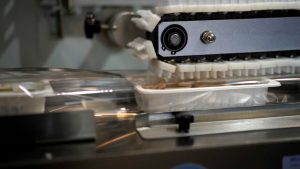
Unplanned downtime does not always start with a broken motor or failed sensor. Many lines stop because a small plastic guide, wear strip, spacer, or guard fails, and the right replacement is nowhere to be found. While the team scrambles to source material, cut a quick part, or call around to different shops, the machine sits idle and orders stack up.
The choice of plastic supplier has a big impact on how often that happens. Material quality, lead times, and design support all play a role in whether your equipment keeps running or stops in the middle of a rush. In this article, we will look at how the right plastic supplier can reduce downtime, support better part design, and help your plant stay ready for busy production peaks.
How Your Plastic Supplier Impacts Machine Reliability
When people think about reliability, they often focus on motors, bearings, and controls. Plastic parts can feel less important, until they crack, wear out, or warp, and your machine shuts down. A lot of that risk starts with the material and the supplier behind it.
If your plastic supplier does not pay close attention to material quality, you may see problems like:
- Wrong resin choice for the load, temperature, or chemicals
- Inconsistent sheet or rod thickness that causes poor fit or misalignment
- Inferior stock that absorbs moisture or distorts under stress
- Parts that wear out much faster than expected
In high-precision or regulated industries, such as food processing, medical equipment, Defence, and transportation, the stakes are even higher. These sectors often need:
- Proven material traceability
- Consistent and repeatable stock from one order to the next
- Clear documentation that matches internal and external standards
A trusted plastic supplier takes time to understand where and how the part will run. That includes asking about:
- Load and impact: is the part taking steady pressure, shock, or vibration?
- Temperature: does it see washdowns, ovens, freezers, or outdoor conditions?
- Chemicals: are cleaners, oils, coolants, or solvents in contact with the plastic?
- Abrasion: is it sliding against metal, other plastics, or product all day?
By matching sheet, rod, or tube materials to those conditions, your supplier helps protect bearings, shafts, and frames from extra stress. That support extends machine life and keeps unplanned stops to a minimum.
Designing Plastic Parts That Can Take the Heat
Material choice is the first step. The second step is the design of the plastic part itself. If a part is too thin, has sharp corners, or is not supported in the right places, it will see more stress and can fail earlier than expected.
Good engineering for durability includes:
- Picking materials that handle the real-world load and environment
- Setting part thickness so it resists bending and impact
- Using rounded corners and smooth transitions to cut down stress points
- Allowing for thermal expansion so parts do not bind or crack
Custom fabrication plays a big role here. With services like CNC machining, thermoforming, and plastic welding, plastic parts can be built to fit your specific machines instead of forcing your machines to make do with almost-right, off-the-shelf pieces. For example:
- CNC machining allows tight tolerances for guides, bushings, and plates
- Thermoforming can create formed guards, covers, and trays with improved stiffness
- Plastic welding can join sections into larger assemblies that replace several small, weaker pieces
When fabrication experts are involved early in a design or retrofit, they can often spot weak points before production ramps up. Adjusting a radius, adding a rib, or changing material can mean the difference between a smooth season and a breakdown in the middle of a busy run. Planning those changes ahead of late-summer and early fall peaks keeps your crew focused on meeting orders instead of chasing emergency fixes.
Fast Turnaround and Local Stock to Keep Lines Moving
Even the best design needs support from smart logistics. When a line is down, every hour waiting on material hurts. This is where proximity and stock strategy become just as important as engineering.
A local plastic supplier with inventory close to your plant can help by:
- Reducing shipping times across Ontario and Eastern Canada
- Having common sheet, rod, and tube sizes ready to cut and ship quickly
- Handling emergency requests with shorter lead times
In-house fabrication, assembly, and contract manufacturing also make a big difference. When your supplier can cut, machine, form, and build parts under one roof, you avoid delays from moving material between multiple vendors. That single-source path often means:
- Faster quote-to-delivery cycles
- Better alignment between raw material choice and finished part quality
- Fewer communication errors that can lead to rework or scrap
Planning ahead is another way to cut downtime. Instead of waiting for parts to fail, work with your supplier to:
- Forecast seasonal demand and identify periods where downtime is not an option
- Pre-order critical wear components and keep a small buffer on hand
- Set up repeat or blanket orders for known consumables
This approach turns your plastic supply into a steady flow instead of a series of last-minute scrambles.
Building a Preventive Maintenance Plan with Plastics
Many plants have preventive maintenance plans for drives, bearings, and electrical systems. Plastic parts deserve the same level of attention. A plastic-focused preventive maintenance program, or PMP, helps you change parts on your schedule, not in the middle of a rush.
A simple PMP for plastics might include:
- Listing all plastic components that can stop a line if they fail
- Ranking them by risk and lead time
- Setting inspection intervals based on wear, not just calendar dates
- Planning proactive replacements ahead of peak periods
A knowledgeable plastic partner can support this by helping you:
- Audit existing plastic parts and map where they are used across your equipment
- Recommend upgraded materials with reduced friction or higher impact resistance
- Standardize components so fewer spare types cover more machines
The results show up in fewer emergency service calls, smoother changeovers as you prepare for increased Q4 work, and maintenance budgets that are easier to predict. Instead of sudden failures, you get planned swaps using materials and designs that are already proven in your own plant.
Turning Your Plastic Supplier Into a Strategic Ally
For many operations, the relationship with a plastic supplier has been simple: buy material when something breaks. That approach often leads to stress, rush orders, and creative fixes that do not last. Shifting to a more strategic partnership can change that pattern.
A good starting point is to:
- Review your top downtime incidents from the past few busy periods
- Note where a plastic part, guard, or wear strip played a role
- Identify which parts are always in short supply or slow to replace
From there, you can sit down with a plastics team to look at material options, design tweaks, and stocking plans that support your equipment goals. By working closely with a supplier that offers sheet, rod, and tube materials along with CNC machining, thermoforming, welding, assembly, and contract manufacturing, you gain support that covers the full life of each part, from concept to replacement.
Canus Plastics Inc., based in Ottawa and serving customers across Canada, is focused on helping manufacturers, fabricators, and equipment owners keep machines running when it matters most. With the right materials, thoughtful design support, and a clear maintenance plan, your plastic supplier becomes a key part of your reliability strategy, not just a name on a packing slip.
Get Started With Your Project Today
If you are planning a new healthcare, industrial, or custom fabrication project, we are ready to help you move from concept to completion with the right materials and guidance. As your trusted plastic supplier, we work closely with you to match product specifications, performance needs, and timelines. Reach out to Canus Plastics Inc. to discuss your requirements, request a quote, or explore options tailored to your application. If you are ready to talk details or have questions, simply contact us and our team will respond promptly.