

Should a Plastic Manufacturing Company Prototype Before Production?
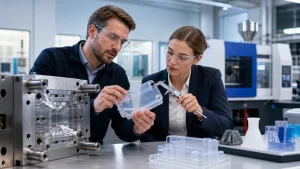
A prototype gives you a practical way to check a custom plastic part before committing it to a larger production run. Instead of relying only on drawings or digital models, you can hold the part, test its fit, and see how it performs in the setting where it will be used.
For us, prototyping is not an unnecessary pause in the process. It is a sensible way to reduce uncertainty, protect project resources, and improve the final result. As November planning begins, a prototype can also help you make clearer decisions about upcoming equipment upgrades, replacement parts, and new projects before year-end schedules become busy.
Build Confidence Before Production
A drawing can show measurements, shapes, and features, but it cannot always show how a part will feel or function in real use. A prototype turns an idea into something your team can inspect. That physical sample often answers questions that are hard to settle on a screen.
During a review, we can help you assess details such as:
- Overall dimensions and fit within existing equipment
- Strength, flexibility, and support in key areas
- Appearance, edge finishes, and surface needs
- Access to holes, handles, fasteners, or moving parts
- Ease of installation, removal, and routine maintenance
Seeing the part in person makes feedback more useful. Operators, maintenance staff, project managers, and other stakeholders can point to a specific issue and explain what needs to change. Small adjustments are usually much easier to make before a larger production run is underway.
For custom work, that added confidence matters. Industrial guards, enclosures, tanks, machine components, replacement pieces, and assemblies may all need to work with surrounding equipment. A prototype helps confirm that the design supports the job it is meant to do.
Why We Start with a Prototype
As a plastic manufacturing company, we may recommend a prototype when a part has special requirements, needs to match an existing component, or will be produced in multiple quantities. The sample allows us to review whether the design can be made efficiently through machining, forming, welding, fabrication, or assembly.
Even a minor detail can affect how a part is made. Wall thickness may change the way material responds during forming. Hole placement can affect machining steps. A bend, joint, or edge treatment may influence strength, assembly, and handling. When those details are confirmed early, the production process is easier to plan.
A prototype can help us review:
- Tolerances that affect fit and function
- Bends, seams, and welded joints
- Material thickness and support needs
- Connections between plastic parts and other assemblies
- Features that may affect repeatable production
Clear communication is one of the biggest benefits. You can provide drawings, measurements, samples, or notes about the application, while we can explain how the chosen material and fabrication process may affect the finished part. The result is a more informed approval process before material, labour, and production capacity are committed.
Find Design and Material Issues Early
A physical sample can reveal concerns that are not obvious in a CAD model. A component may flex more than expected, interfere with nearby equipment, feel awkward to install, or make routine maintenance harder. These are useful findings, not setbacks. They give us and your team a chance to improve the design while changes are still manageable.
Material selection is just as important as part shape. Different plastics can vary in chemical resistance, impact strength, temperature tolerance, wear resistance, transparency, and weight. The right choice depends on how and where the part will be used.
For example, a part intended for a demanding commercial or industrial setting may need to handle repeated contact, moisture, chemicals, or changing temperatures. Testing a prototype gives you a better sense of whether the selected material suits those conditions. It can also show whether another material or a design adjustment would better support the application.
Early testing helps prevent avoidable waste later. Discovering a dimensional issue after production has begun can mean rework, delays, and unnecessary material use. Reviewing a prototype first keeps the focus on solving those problems before they affect a full run.
Use Prototype Results to Improve Production
Once a prototype has been reviewed and approved, its findings can guide a smoother production process. Confirmed measurements, material choices, and assembly requirements create a clearer path for machining, forming, welding, and quality checks.
That preparation is particularly helpful when you need identical components or replacement parts that must match existing equipment. Repeatability depends on having agreed-upon details from the start. The prototype becomes a useful reference for what the finished part should look like, how it should fit, and which features require close attention.
Prototype feedback may also uncover ways to simplify the design without reducing performance. In some cases, a revised shape can reduce material waste. In others, changing an assembly detail may make installation easier or shorten production steps. These improvements can support more predictable lead times and a more consistent finished product.
Rather than treating the sample as a separate task, we see it as part of production planning. It helps establish the right process before larger quantities are made.
Plan Winter Projects with Less Risk
Autumn is a practical time to review projects that may be needed during winter or early in the new year. If you are considering facility improvements, equipment updates, repairs, or replacement components, prototyping can help move the planning stage forward before weather and holiday schedules add pressure.
Ottawa-area operations may face cold temperatures, moisture, outdoor exposure, repeated impact, or chemical contact. A prototype provides an opportunity to consider how the part will perform in those conditions. It may confirm that the design is ready, or it may identify a need for stronger support, a different material, or a revised feature.
Approving a prototype before year-end can also give your team clearer specifications for the next stage. Instead of making rushed decisions later, you can enter production planning with an approved design, a better understanding of material needs, and fewer unanswered questions.
For a custom plastic component, the best production decision is usually an informed one. Testing the design, reviewing the material, and confirming how the part fits into its working environment can reduce risk and help ensure the final product is ready for its intended use.
Move Your Plastic Project Forward With Confidence
At Canus Plastics Inc., we help turn well-considered component designs into dependable production solutions. See how our plastic manufacturing company supports contract manufacturing needs across each stage of your project. For a conversation about your requirements, contact us today.