
Welding Considerations for Outdoor Fixtures in Ottawa
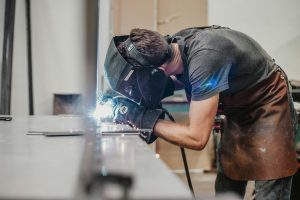
With summer right around the corner, many projects in Ottawa start to move outdoors. Whether it’s upgrading fixtures in parks, adding display stands near storefronts, or setting up public installations, materials need to hold up through changing weather. Working with a welder in Ottawa means more than just knowing how to join parts. It means planning for heavy heat, quick rainfalls, and UV that can wear down surfaces if they aren’t built right.
As we get closer to June, conditions can shift fast. That’s why welded outdoor fixtures require more than a basic weld. How we choose materials, shape the joints, and prep surfaces all play a big part in how long the piece lasts outside. Let’s look at some of the everyday outdoor welding details worth thinking through when building for summer and the seasons to follow.
Welding and Ottawa’s Outdoor Conditions
Summer in Ottawa isn’t just warm. It often swings between dry heat and sudden showers, with long stretches of sun in between. Outdoor fixtures have to take it all. Welded points are especially important since they’re often the first place to weaken if the weather isn’t considered during fabrication.
- Heat cycles can cause materials to expand and contract, especially between cool mornings and hot afternoons. If the welded join doesn’t have enough give or isn’t fit right, cracking or splitting can start to form over time.
- UV exposure is another factor. Some materials weaken when exposed to too much sun. Welds that sit in direct light all day may need added surface treatment or be made using plastics that naturally resist sun damage.
- Humidity from summer storms or rising moisture on freshly watered grounds can also creep into seams, especially if the welding wasn’t watertight. Over time, that kind of exposure leads to cloudiness, loss of structure, or breakdown of the bond.
We deal with these kinds of swings often, so outdoor items like benches, podium signage, or display frames aren’t built just for looks, they need to keep their shape through each weekly forecast.
Material Choices for Long-Term Durability
Not every plastic or metal handles outdoor life the same way. Picking the best one is one of the first decisions we make with any welded project. Some plastics, especially UV-resistant ones or those with low moisture absorption, hold their shape well and keep a clean finish even with heavy sun and light rain.
- High-Density Polyethylene (HDPE) is a low-cost plastic that is flexible, translucent, weatherproof, and has good toughness at low temperatures.
- Ultra-High Molecular Weight Polyethylene (UHMW) is very tough and resistant to chemicals while having a low moisture absorption rate.
- Acrylic is a transparent thermoplastic that is often used as a lightweight shatter-resistant alternative to glass.
Picking a good material is about more than strength. It’s about how long that strength sticks around when the sun is high and the air is damp.
Weatherproof plastics have gained popularity for outdoor projects because of their ability to resist fading and keep their integrity despite fluctuations in temperature or long sun exposure. Certain metals also provide durability but can sometimes require treatments to stand up to rain or snow. When choosing the material for a new build, looking at both the seasonal forecast and location of the installation site helps us make the smartest call for each piece.
If fixtures are set in direct sun, UV exposure can cause some plastics to break down quickly. It’s smart to work with UV-resistant grades that are designed to stay clear and not yellow, ensuring performance all summer and into autumn. When moisture is a factor, plastics like HDPE keep water from seeping in, so avoiding that saturated, warped effect is easier. Every material is picked to give the welded joint its best chance, but also to make sure the whole item holds up without costly replacements.
Design Features That Support Strong Welds
The shape of the join matters just as much as the type of weld. When projects go outside, we have to think about how each part fits together before we even start the weld. Some joints are stronger than others, and the design helps with stress from both use and weather.
- Lap joints often work better than butt joints in outdoor builds since there’s more surface contact and strength across the connection.
- We often design outdoor fixtures with extra edges or curves that guide water away from the seams instead of letting it sit there. A puddle around a welded point can weaken it much faster than one that drains clean.
- Good machining helps us get perfect fits before welding starts. A solid weld begins with clean surfaces, tight joins, and no gaps that could take in water or air.
If we leave even one small gap between welds, it could be the first spot to flex, crack, or collect debris. So we prep carefully and design with function first.
During welding prep, any irregular edge or sharp angle becomes a danger point once exposed to summer conditions. So, installers pay attention to every millimetre. A well-fitted joint does not just look better, it also shrugs off repeated thermal expansion, contraction, and even muddy runoff after a fast rain.
Small thoughtful adjustments during the design stage go far in producing pieces that need less fuss after installation. When welds are tidy, shaped for function, and placed in the right direction, they can handle more than just the basics of outdoor life.
Technology That Supports Precise Outdoor Fabrication
Before any part is welded, the way we cut, shape, and polish it makes a difference. Weather-resistant pieces usually need tight tolerance and repeatability. That’s where the right machines help.
- With CNC machining, we’re able to cut parts with precision that stays the same, job after job. This matters more when we’re producing matching brackets, mounts, or frame edges that lock in with other parts.
- Vacuum forming or thermoforming is useful when we need curved shapes that hold steady against wind or pooling water. These shapes are then easier to weld since they hold their structure under pressure.
- When the build involves more than one method, like welding followed by assembly, having each step lined up means we’re not correcting issues later. We can get parts to fit the first time, so welded joints don’t need rework or patching.
Welding is one part of the build, but the steps before and after it carry just as much weight for long-lasting outdoor setups.
Achieving excellence in outdoor welding projects means using equipment that guarantees close tolerances and repeatable accuracy. This way, we can handle even the complex shapes required for benches, enclosures, or custom displays while knowing each joint will line up as needed. Finishing techniques like careful polishing or edge prepping can help welded areas shed water or dirt, keeping things clean and less prone to wear.
Built to Handle the Season Ahead
Every summer, we see more demand for fixtures that don’t wear down within a few weeks. Whether it’s a public bench, a sign frame, or a flooring support, welded builds get hit by sun, storm, and foot traffic. To do their job, they need more than just a strong material. They need thought-through welds, smart joint designs, and the right prep.
By late spring in Ottawa, fast builds often come with weather that doesn’t wait around. With welding work, small details make a big difference. We don’t cut corners, and every part we join is shaped to handle where it’s going to live. If it’s staying outdoors, it’s going to face heat, water, and pressure. Planning for that from day one means less worry down the line.
Managing an outdoor build in Ottawa this summer means every joint, panel, and frame needs to withstand changing weather. Working with a skilled welder in Ottawa means your project is prepared for heatwaves, heavy rain, uneven ground, direct sunlight, and shifting moisture. Our team at Canus Plastics Inc. lines up every step, from cutting and forming to welding and final fit, so you can stay on schedule with lasting results. Reach out and let’s talk through your next welded build.