

How to Choose Tubing in Ottawa for Efficient Water Systems
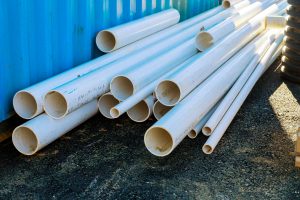
Spring projects move fast in Ottawa. Water systems for yards, farms, and public spaces all need updates before summer heat kicks in. Choosing the right tubing plays a big part in keeping those systems working without leaks, cracks, or setbacks. What looks like a small detail in the build often ends up making the biggest difference in performance.
When we talk about choosing tubing in Ottawa, we’re talking about planning for both function and the weather. Local systems face freeze-thaw swings, heavy rains, and muddy grounds in May. That means the tubing has to match how water flows, where it flows, and how often it’s moved. Picking the right tubing isn’t just about the next few weeks but about setting the groundwork for long-term reliability. Here’s what we suggest when picking tubing that holds up and does the job right the first time.
What to Know About Local Water System Needs
Not all ground settles the same after a long winter. Ottawa’s spring thaw makes soil shift, which means buried parts often move too. If tubing is too stiff, it might crack or pull at the joints. Some setups work better with flexible tubing that can ride out small shifts in the ground.
- Think about how deep the tubing will go and how soft the soil gets during the melt
- Factor in water pressure from pumps or municipal connections before choosing thickness
- Tubing exposed above ground needs UV protection, while buried lines need cold crack resistance
If the tubing is used in a yard, a crop area, or public sites like parks, expect changes in sun, rain, and people traffic. Each of those things adds wear in a slightly different way. Picking the right match early helps avoid future patch jobs or full tear-outs. The location of the lines can affect long-term wear as much as the materials used, since some areas may compact more than others or experience different sunlight patterns. Understanding your specific site means you can plan for the spots where tubing works hardest.
Material Choices That Work With Ontario’s Climate
Some water systems need hard plastics, some do better with soft ones. Either way, the time to compare materials is before the installation begins. PVC is common, but it’s not always the best choice for every job in spring. Polyethylene tubing handles bends better and may take frost shifts more smoothly, depending on how it’s formed.
- Choose tubing that resists cracks if it’s exposed to cold morning air after a warm afternoon
- UV-treated surfaces help stop damage from spring sun
- Some plastics can be bonded or shaped into better fits using heat or adhesives, based on system layout
When the job needs custom shaping or tighter tolerances, we look at whether the tubing can be cut, routed, or joined without losing strength. Spring builds often don’t leave much time for trial and error, so getting it right on material saves extra work later. Flexible materials can reduce the chance of sudden breaks when the ground moves, especially during shifts from rain to sun or back. Clear material differences become obvious during late spring, when the pressures of shifting soil and variable weather expose weak points. Thinking about which plastic matches the expected loads helps ensure consistent performance.
Ease of Assembly and Long-Term Maintenance
One thing we always think about with tubing is how it connects. If the fit is too loose, it leaks. If it’s too tight, it may split when the ground shifts. And if it’s hard to reach or replace, small jobs suddenly turn into big costs. That’s why connection style and joint quality matter as much as the tubing itself.
- Use tubing that works well with glues, fittings, or couplers that match the project’s pace
- Consider changes in pressure and temperature that might weaken joins or seals over time
- Systems that need regular checks work better with tubing that can be opened and resealed without damage
We’ve seen how spring setups that don’t plan for future fixes end up breaking under pressure, literally. Simple joints and strong bonds make tough fixes easier, even midway through the season. In areas where digging back up isn’t an option, connections that stay tight and easy to access are even more important. Double-checking connections during assembly can stop those “mid-season” repairs before they start. Compatibility between tubing and fittings is as important as material choice, since mismatched pieces create extra stress points and increase the chance of leaks.
Matching Tubing to Custom Systems and Site Constraints
Some projects aren’t straight lines or square angles. Uneven ground, slopes, or older structures force tubing to curve, slope, or pivot in strange ways. In those cases, custom tubing or shaped parts can save hours onsite.
- Bends and supports cut down on stress where tubing can sag or get worn down
- Short runs of vacuum-formed or machined parts help bridge odd gaps without reworking a full system
- Flat fittings or shapes help tubing nest closer to walls, raised beds, or walkways
Custom doesn’t have to mean complicated. With the right tools, tubing can be formed or cut to match what the build needs instead of forcing a fit that won’t last. Planning for tight corners or sloped runs before installation means fewer surprises and a better-looking system after the job is done. We find that working directly with the build site, checking measurements twice, and shaping tubing segments to fit awkward spaces can cut down on time spent troubleshooting. Sometimes even a few centimetres of difference in a curve or joint can make a large impact on system reliability in spring.
A Smarter Start for Spring System Upgrades
Water won’t wait. Once the frost lifts in Ottawa, water systems are expected to run. And when they don’t, it’s usually a small part that held things up. Tubing that’s planned for local swings in weather and soil removes a lot of the guesswork. Materials that resist cracking, layouts that allow movement, and joints that flex all do one thing, keep the water flowing when it matters.
A well-built water system saves time and strain. Whether it’s for home, community, or farmland use, tubing that fits the ground and the build keeps maintenance low and flow steady. That kind of planning lets spring setups stay on schedule and work through the season without surprises. Minor changes in approach during design or installation, adding a support near a bend, choosing a more flexible material, sealing with an adhesive meant for damp conditions, can make the difference between a single-season fix and a system that carries through many years of use.
Managing water flow effectively and ensuring every connection fits just right makes all the difference in spring projects. Our team at Canus Plastics Inc. supports commercial, municipal, and private builds throughout Ottawa with durable, weather-resistant solutions designed for lasting performance. Whether you’re refining a garden irrigation system or overseeing public infrastructure upgrades, we custom form and finish plastics built to withstand any season. Discover how we help bring custom builds to life using tubing in Ottawa and connect with us today to get started.