

Understanding Plastic Vacuum Forming for Garden Product Designs
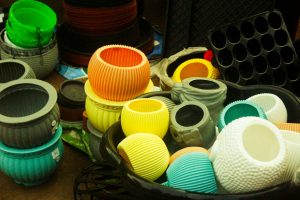
In Ottawa, April blends chilly mornings with sunny afternoons. Spring hasn’t quite settled in, but we know it’s close when backyard projects start picking up again. Whether it’s setting up raised beds for plants or refreshing seating around walkways, people want garden items that last through the season’s changing pace.
Plastic vacuum forming works well for products that need to stand up to Ottawa’s early spring weather. It makes sturdy shapes without adding too much weight or bulk. From garden bed dividers to weather-ready display pieces, this technique helps make custom plastic parts that look good and function reliably outdoors. The materials are easy to shape, and the results hold up better than low-grade plastics you find in some pre-assembled garden gear.
Designing for Ottawa’s Outdoor Conditions
Outdoor plastic needs to handle all kinds of pressure from the weather, especially during the April freeze-thaw cycle. We see everything from melting snow to gusty wind and spring downpours, all within a week. This creates tension in plastic items if they’re not made to adjust and bounce back.
- Water seeps into seams or cracks, then freezes overnight, expanding as it gets colder. That leads to brittleness and breaking.
- Wind-lifted covers or poorly anchored trays shift or snap if they lack enough strength.
- Sudden temperature changes can cause cheaper plastics to warp, soften, or split.
To reduce these issues, we stick to materials that can take a bit of movement. Strong yet slightly flexible options work best, especially when paired with smart shapes that spread stress out over curves instead of sharp edges. When we form and reinforce those shapes early in the process, everything holds its place better when spring weather changes without warning.
What Plastic Vacuum Forming Actually Does
Vacuum forming is our go-to method for shaping plastic sheets into custom pieces. We take flat thermoplastic sheets, heat them until soft, then pull them tight over a mould using a vacuum. Once cooled, the sheet holds the shape of the mould and becomes a solid part.
The whole process is quick and precise, which is helpful for outdoor garden items where shape matters. It gives clean curves, can adjust thickness in key areas, and adds structure without the need for extra parts. This works well when making things like:
- Stackable planting trays
- Custom-fit tops or lids for outdoor containers
- Protective edging around planters or walkways
Because plastic vacuum forming allows us to repeat shapes consistently, we can make small runs of matching garden products that line up perfectly. This helps keep installations simple, especially when people want their accessories to match or stack neatly in different corners of the yard.
Smart Designs for Spring-Ready Garden Products
We’ve seen many ways vacuum forming can solve issues with early spring setups. Whether someone is updating a large backyard or adding protection around a small flower bed, plastic garden items need a few common features.
- Wall thickness matters. If items are too thin, they’re likely to crack after a freeze. We increase thickness in areas that take the most impact.
- Rounded edges help the plastic absorb movement without tearing or snapping. Sharp corners almost always fail faster, especially if placed near walkways or fences.
- Reinforced bottoms or handles give trays and covers an edge in wet or windy spots. That way, parts stay together without added straps or tools.
We shape the plastic before it hardens, so we can build strength into the design instead of gluing pieces later. That makes for cleaner lines and fewer areas that wear down. Spring-use products benefit most when tension is spread evenly across the shape, reducing the chance of sudden breaks just as buds start blooming.
Matching Function and Appearance Outdoors
Durability is one part of the story, but outdoor garden items often need to look good too. Vacuum-formed plastic makes it easy to add colour, texture, or surface changes that help the product fit the setting.
- Mattes handle smudge and glare better than gloss when under full sun. Some spring gardens benefit more from soft finishes that don’t reflect too much light.
- Colour choices can blend with soil, fencing, or surrounding planters. That keeps the focus on the plants, not the materials holding them.
- Smooth surfaces near moisture help prevent buildup. That’s especially important around water barrels or freshly planted soil, where dampness might linger.
Small finish choices go a long way if the product stays outdoors for weeks at a time. They help garden items stay fresh looking even after a few spring rain cycles. The benefits aren’t just visual either. Smooth, curved finishes dry quicker and are easier to keep clean in changing weather.
When to Plan and Why Timing Matters
Planning garden products near the start of spring is easier said than done. We find early April is the right time to begin building outdoor setups that will be ready by late May. But that depends on how long it takes to shape and prep each item.
- Simple parts like flat trays or covers can often be finished faster when we’re forming from an existing mould.
- Custom products need more time, especially if part of the process includes CNC shaping or added assembly.
- Spring orders tend to stack up fast. Waiting until the frost is nearly over means fewer options and longer wait times.
That’s why vacuum forming works well in the middle of April. There’s enough flexibility to work around the weather, yet enough structure to get pieces ready before the garden hits full bloom. Planning now cuts down on delays later and keeps outdoor projects on track without major rework mid-season.
Built to Last Through Spring and Beyond
Early spring builds don’t need to be temporary. When we add the right materials and shape the parts with care, garden products made through vacuum forming can hold up until fall. They handle thaw and rain without wearing out after a few weeks, even in Ottawa.
That steady performance is what makes this process worth using. The products fit their space better, need fewer replacements, and resist small cracks or leaks that would otherwise show up by mid-season. Spring gets busy fast, so smart plastic work now means fewer problems to fix when the garden is in full swing. Thoughtful shaping, the right thickness, and smooth finishes all work together to keep outdoor products useful week after week.
Getting ready to build with custom plastics this spring? We can help you shape the right parts from the start with a process that’s quick, reliable, and crafted to produce outdoor pieces that withstand Ottawa’s changing weather without cracking or warping. Using methods like plastic vacuum forming, we create smart, durable fits for wherever you need them most. Canus Plastics Inc. is here to help bring your ideas to life before the soil even warms up, so let’s talk about your spring build today.