How to Choose Adhesives That Won’t Yellow or Degrade
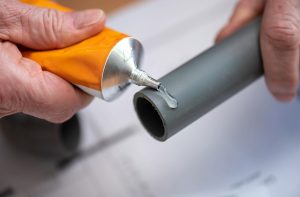
Adhesives play a vital role in our daily lives, from household repairs to complex industrial applications. However, one common challenge is when adhesives begin to yellow or degrade over time. This can happen due to a variety of reasons, and the result is often a decline in both the appearance and performance of the bonded material. A once-clear adhesive turning yellow can make products look old and unattractive, while degraded adhesive might compromise the strength of the bond itself. Whether you’re working on a delicate craft project or assembling critical components, the quality of the adhesive you choose is paramount.
Selecting the right adhesive can prevent these unwanted issues, maintaining both functionality and aesthetic appeal. When adhesives remain clear and integral, they keep the product looking sharp and functioning properly. This helps in preserving the visual quality and ensuring the longevity of the bond, which is crucial for any product’s success. In this guide, we’ll explore what makes adhesives prone to yellowing and degradation, as well as offer some pointers on choosing the best options for your needs. Understanding these factors can help you make informed choices, ensuring your projects stand the test of time and environment.
Factors That Cause Adhesives to Yellow or Degrade
Adhesives face numerous challenges that can lead to yellowing or degradation. Understanding these can help in selecting the right adhesive and mitigating potential issues. Here are some common factors:
1. Environmental Exposure:
– UV Light: Prolonged exposure to sunlight or other ultraviolet light sources can cause many adhesives to yellow. UV rays trigger chemical reactions within the adhesive, altering its color and weakening its structure.
– Humidity and Moisture: High humidity or direct contact with water can cause certain types of adhesives to degrade. Moisture penetrates the adhesive, leading to swelling or weakening.
2. Chemical Reactions:
– Interacting with Plastic Materials: Some adhesives can chemically react with the plastic they bond with, resulting in yellowing. This can occur if the adhesive or plastic contains certain additives or stabilizers.
– Age-Related Chemical Changes: Over time, adhesives may undergo chemical changes that lead to yellowing. As the adhesive ages, these reactions can become more pronounced.
3. Material Specific Factors:
– The Original Composition: Some adhesives are more susceptible to degradation because of their initial composition. Materials that aren’t inherently stable tend to degrade more easily under environmental stresses.
– Additives and Stabilisers: The presence of certain additives aimed at improving specific properties might unintentionally contribute to degradation under particular conditions.
Understanding these causes gives you a better appreciation of why some adhesives fail over time. When selecting adhesives, paying attention to these factors can lead to better performance and longer-lasting results. It’s also helpful to choose adhesives known for their resistance to these particular stressors to avoid potential degradation.
Types of Adhesives and Their Properties
Choosing the right adhesive isn’t only about picking any glue off the shelf; it’s about understanding the properties and tendencies of different types. Different adhesives possess varied characteristics, making them suitable for specific applications:
1. Epoxy:
– Advantages: Epoxy is known for its strong bonding capabilities and resistance to environmental factors. It’s versatile and can adhere to a variety of materials.
– Disadvantages: Despite its strength, epoxy can sometimes yellow when exposed to sunlight unless it’s specifically formulated to resist UV.
2. Acrylic:
– Advantages: Acrylic adhesives are lauded for their clear finish and resilience to environmental wear. They are often used where transparency is critical.
– Disadvantages: With extended UV exposure, acrylics may still yellow unless they include stabilising additives.
3. Silicone:
– Advantages: Silicone adhesives are flexible and perform well under temperature variations. They are less likely to yellow and can maintain a clear appearance.
– Disadvantages: While highly durable, they might not offer the strongest bond compared to epoxy or acrylic in some applications.
These varying adhesive types highlight the importance of tailoring your choice to the specific needs of your project. By understanding the properties of each adhesive type, you can make an informed decision, selecting those that not only meet bonding requirements but also maintain integrity over time. Whether you prioritize strength, clarity, or resistance to environmental elements, there’s an adhesive designed to meet those needs.
How to Choose the Right Adhesive for Plastic Products
Selecting the best adhesive for your plastic projects means understanding both the material you’re working with and the adhesive properties that will meet your specific needs. Start by considering the type of plastic. Different plastics react differently to adhesives, and choosing the wrong one could lead to ineffective bonding or yellowing over time. For instance, if you’re working with polycarbonate, which is known for its clarity and toughness, selecting an adhesive formulated for clear plastics can preserve its visual appeal.
Look for adhesives with UV resistance if your product will be exposed to sunlight. UV-resistant adhesives help maintain clarity and prevent discolouration under harsh sunlight, making them ideal for outdoor or well-lit indoor applications. Additionally, consider the adhesive’s stability under temperature fluctuations to ensure it holds up in diverse conditions without yellowing or cracking.
Here are a few tips to guide your choice:
– Match the adhesive to the plastic’s properties. Check compatibility to avoid chemical reactions that may weaken or discolour the adhesive.
– Evaluate bonding strength and flexibility. Choose an adhesive that meets the mechanical demands of your project, whether it’s flexibility for moving parts or rigidity for stable structures.
– Check for industry certifications and standards. Products that meet these standards will typically offer better reliability and longevity.
By taking these factors into account, you can ensure that your chosen adhesive not only provides a strong and lasting bond but also stands up to environmental challenges.
Practical Tips for Maximizing Adhesive Lifespan
To extend the lifespan of your adhesives and keep them performing at their best, follow some straightforward practices. Proper application techniques are the first step to achieving a long-lasting bond. Ensure surfaces are clean and dry before applying adhesive to maximize contact and adhesion. It’s important to apply the adhesive evenly, avoiding bubbles and gaps that could weaken the bond over time.
Storage also plays a key role in preserving adhesive quality. Typically, adhesives should be stored in a cool, dry place away from direct sunlight. Excessive heat or exposure to moisture can degrade the adhesive before it’s even used. Make sure the lids or caps are tightly sealed after each use to prevent air from getting in and drying out the product.
Routine checks and maintenance can alert you to early signs of adhesive failure, allowing for timely intervention. Look for changes in colour, texture, or performance. If you notice any of these signs, it might be time to reapply or choose a different adhesive.
– Clean surfaces thoroughly to increase bond strength.
– Store adhesives properly: Cool, dry environments are best.
– Inspect bonded areas regularly for signs of wear or detachment.
By incorporating these simple tips into your adhesive use routine, you can significantly improve the durability and appearance of your finished projects.
Achieve Durable and Clear Bonds
Making the right choice of adhesive and applying it correctly ensures that your projects are reliable, durable, and attractive. A careful assessment of the plastic type, exposure conditions, and adhesive properties will guide you to the best selection. Moreover, attention to application and ongoing maintenance can maximize the adhesive’s lifespan and maintain your product’s aesthetic qualities.
Adhesives are integral to the success of many projects, and the effort you invest in choosing and using them wisely pays off in quality and resilience. Careful planning and attention to the details of adhesive compatibility and environmental factors mean you can enjoy results that not only meet but exceed your expectations, ensuring the longevity and effectiveness of your creations.
For those seeking expertise in maintaining product quality and performance, consider the benefits of partnering with Canus Plastics Inc. As leaders among plastic manufacturing companies, they provide solutions tailored to your unique adhesive needs. Explore our range of advanced adhesive technologies today to ensure your projects not only stand the test of time but also shine with durability and clarity.